Inside IQOS ILUMA: How Induction Heating Is Changing Heated Tobacco Technology
The development of heated tobacco technology has brought a new generation of electronic devices into a market traditionally dominated by conventional cigarettes. Among the systems attracting attention are IQOS ILUMA устройства, which use induction heating rather than a conventional heating blade to warm specially designed tobacco sticks. This change in engineering affects how the device operates, how its consumables are designed and how much routine maintenance the system requires.
Understanding the technology behind IQOS ILUMA involves looking beyond its exterior design. The system combines an electronic heating mechanism, a dedicated tobacco stick and a rechargeable power source, with each component designed to work as part of a specific platform. Its development reflects a broader trend in consumer electronics: manufacturers are increasingly focusing on integrated systems in which the device and the consumable are engineered together rather than treated as interchangeable parts.
How Induction Heating Works
Earlier generations of heated tobacco devices commonly relied on a heating blade or another heating element that directly warmed the tobacco stick. IQOS ILUMA uses a different approach, known as SMARTCORE INDUCTION SYSTEM. According to the manufacturer’s technical explanation, the system relies on a metal heating element incorporated into the specially designed TEREA tobacco stick. The device generates the conditions needed to heat this element through induction, warming the tobacco without using a conventional blade inside the holder.
Induction heating is already familiar from other technologies, including certain kitchen appliances and industrial equipment. In these applications, an electromagnetic field induces heating in a suitable metal component. In the IQOS ILUMA system, the principle is adapted to a compact electronic device, where the heating element is integrated into the consumable rather than positioned as a blade that must enter the tobacco stick.
This design changes the relationship between the device and the tobacco product. The holder is engineered to recognize and heat compatible sticks, while the heating component is part of the stick itself. Because the system does not use the same exposed heating blade found in earlier IQOS generations, its internal design and maintenance requirements differ.
It is important to distinguish the engineering principle from a health conclusion. Heating tobacco without conventional combustion changes the substances released compared with burning tobacco, but it does not make the product harmless. IQOS ILUMA products deliver nicotine, which is addictive, and their use still carries health risks.
Why TEREA Sticks Are Essential to the System
The device and its consumable are designed as a matched system. IQOS ILUMA uses TEREA heated tobacco sticks, which contain the metal heating component required for induction heating. This is a fundamental difference from earlier IQOS models that use HEETS sticks and a different heating architecture.
The compatibility distinction matters because the two systems are not interchangeable. TEREA sticks are designed specifically for IQOS ILUMA devices, while earlier blade-based IQOS models are not intended to use them. Attempting to use the wrong type of stick can prevent normal operation and may damage the equipment. The manufacturer’s guidance therefore treats compatibility as a core part of using the system correctly.
The integrated heating element also influences the physical construction of the consumable. TEREA sticks are designed to keep the tobacco and heating components within a sealed structure. As a result, the system is intended to reduce the tobacco residue associated with earlier blade-based designs, eliminating the need to clean an exposed heating blade after regular use.
This does not mean that users should disregard the device’s care instructions. Electronic products still require appropriate charging, storage and handling, and the consumables must be used according to the manufacturer’s directions. The key difference is that IQOS ILUMA’s maintenance approach is built around a blade-free holder and compatible sealed sticks rather than the cleaning routine associated with older designs.
Different Device Formats, Different Priorities
The IQOS ILUMA family has included several device formats intended to accommodate different preferences for size, construction and everyday handling. Earlier versions included the ILUMA PRIME, standard ILUMA and ILUMA ONE. Newer ILUMA i models have expanded the range with additional features and updated designs. Product availability and specifications can vary by market, so the exact lineup should be checked against current manufacturer information.
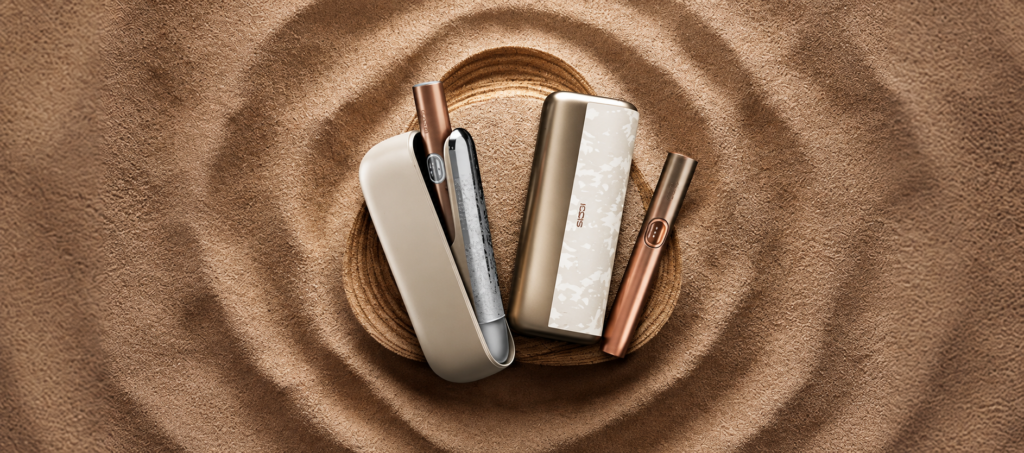
The PRIME format emphasizes a more premium exterior, while the standard ILUMA follows a more conventional two-part design with a separate holder and charging case. The ILUMA ONE takes a different approach by combining the main components into a compact, all-in-one device. These structural differences influence portability, charging routines and how users handle the device between sessions.
The newer ILUMA i range builds on the same underlying induction-heating concept while introducing changes to the user interface and available functions. Depending on the model, features may include a more advanced display or additional session controls. Such features are primarily differences in usability and device management; they do not change the basic requirement to use compatible heated tobacco sticks.
Choosing between device formats therefore involves more than appearance. Battery capacity, the number of consecutive sessions supported, charging time, dimensions and the availability of replacement accessories can all affect practical use. Manufacturer specifications provide a more reliable basis for comparing these details than visual similarities alone.
What Changes When Tobacco Is Heated Instead of Burned?
The central distinction between conventional cigarettes and heated tobacco products is the way the tobacco is processed. A cigarette burns tobacco, producing smoke through combustion. IQOS ILUMA is designed to heat tobacco without the conventional burning process, generating an aerosol that contains nicotine and other substances.
The absence of conventional combustion changes the chemical composition of the emissions. Manufacturer research reports lower levels of certain harmful chemicals compared with cigarette smoke, but those measurements should not be interpreted as an equivalent percentage reduction in overall health risk. Different substances can affect health in different ways, and reduced levels of selected chemicals do not establish that a product is safe.
This distinction is particularly important when evaluating claims about newer tobacco technology. A device may have a more sophisticated heating mechanism, require less cleaning or produce no ash in the way a conventional cigarette does, but those engineering characteristics do not remove nicotine dependence or eliminate exposure to potentially harmful substances.
For adults who do not currently use tobacco or nicotine, beginning to use a heated tobacco product is not a risk-free choice. For people who already smoke, stopping tobacco use altogether remains the most effective way to avoid the risks associated with smoking. Product comparisons should therefore separate technical differences from broader health considerations.
Design, Maintenance and Everyday Handling
The blade-free architecture is one of the most visible practical changes introduced by IQOS ILUMA. Without an exposed heating blade in the holder, the device does not require the same routine removal of tobacco fragments associated with earlier systems. This is a consequence of the redesigned heating arrangement and the construction of the compatible TEREA stick, rather than simply a cosmetic improvement.
The electronic components still require appropriate care. Users should follow the manufacturer’s instructions for charging, avoid exposing the device to unsuitable temperatures or moisture, and inspect it for damage. The device should not be modified or used with incompatible consumables. These precautions matter because the product combines a rechargeable electronic system with a heated tobacco consumable.
Battery performance and charging convenience can also influence the overall experience. Compact all-in-one models may appeal to people who prefer fewer separate components, while models with a separate holder and charging case have a different physical arrangement. Neither format is universally preferable; the relevant differences depend on dimensions, battery specifications, handling preferences and the intended pattern of use.
Design is therefore best understood as a combination of engineering choices. The heating system determines how the tobacco is warmed, the consumable determines compatibility, and the device format influences portability and routine handling. Considering these elements together offers a clearer picture of what distinguishes one model from another.
The Future of Heated Tobacco Devices
IQOS ILUMA illustrates how consumer product development can evolve through changes in component integration rather than through appearance alone. Moving the heating element into a compatible consumable allows the device to use induction technology while removing the conventional heating blade. That change affects the structure of the product, the design of its consumables and the maintenance requirements associated with regular use.
Further development in this category is likely to focus on usability, battery management, device interfaces and the coordination between electronic hardware and consumables. However, technical refinement should not be confused with the elimination of health risks. A more convenient or sophisticated device remains a nicotine-delivery product when used with nicotine-containing tobacco sticks.
For anyone examining IQOS ILUMA, the most useful approach is to understand both sides of the technology: how its induction system differs from earlier heating designs and what those differences do not establish about health. Engineering can explain how a product operates, how its components fit together and why compatibility matters. It cannot, by itself, answer every question about long-term safety.
That distinction provides a more accurate way to evaluate the next generation of heated tobacco devices. Their significance lies in the evolution of the underlying technology, while responsible assessment requires attention to the product’s limitations as well as its technical features.